Get Chimney Removal in Suffolk County, NY
Chimney removal services for Suffolk County homeowners involve safely dismantling and removing outdated, damaged, or unused chimneys to improve safety, prevent structural issues, and prepare for remodeling projects.
If you’re considering chimney removal for your property in Suffolk County, NY, you’re in the right place to explore your options. Removing an unused or unsafe chimney can be an important step in planning renovations, improving outdoor space, or ensuring the safety and stability of your home. Property owners often look into chimney removal when updating older homes, addressing structural concerns, or making room for new construction projects. By comparing local contractors who specialize in chimney removal, you can find trusted professionals experienced in handling the unique needs of Suffolk County homes.
Continuing your research can help you understand the practical aspects of chimney removal and identify the right service providers for your project. Whether you’re seeking to enhance your property’s functionality or address specific safety concerns, connecting with experienced local contractors ensures the work is handled properly. Keep reading to learn more about the services available in your area and how to find the right professionals to assist with your chimney removal plans.
- Chimney Removal - needed when outdated or damaged chimneys pose safety concerns in neighborhoods across Suffolk County, NY.
- Chimney Removal - required during home renovations or conversions in areas like Smithtown or Huntington where chimneys are no longer needed.
- Chimney Removal - necessary after fire or storm damage compromises the integrity of chimneys in nearby communities.
- Chimney Removal - sought when homeowners want to eliminate unused or obsolete chimneys to improve curb appeal.
- Chimney Removal - requested when local contractors are needed to safely dismantle and dispose of old chimney structures in Suffolk County, NY.

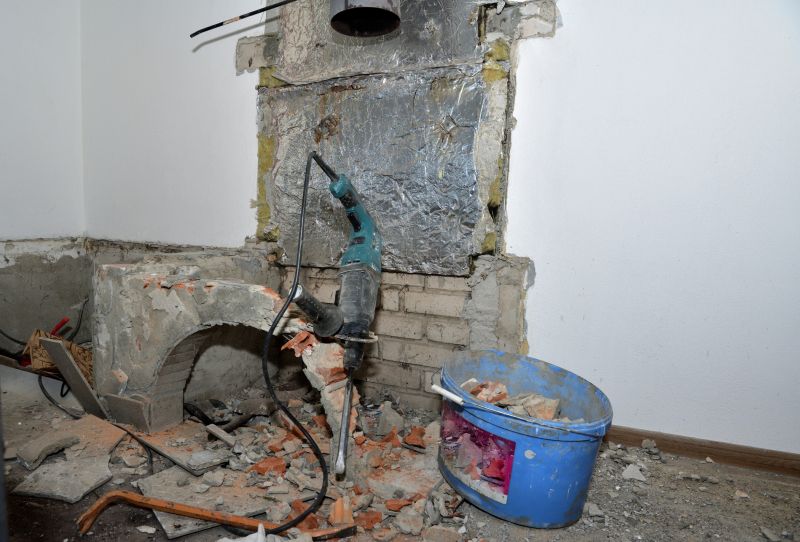
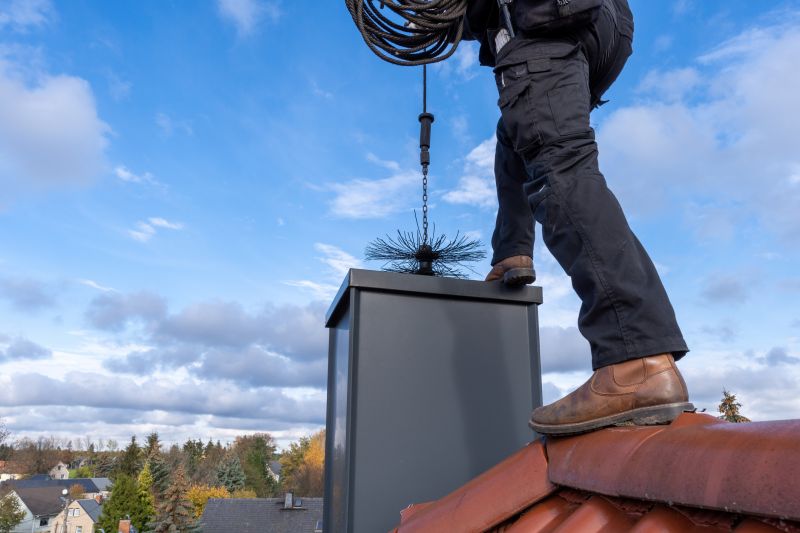
Chimney removal services involve the safe and efficient dismantling of an existing chimney structure that is no longer needed or poses potential issues. This process typically includes carefully deconstructing the chimney, removing debris, and ensuring that the surrounding areas are restored to their original condition. Skilled service providers use specialized tools and techniques to handle both brick and masonry chimneys, making sure the work is completed thoroughly and safely. Homeowners considering chimney removal should seek out experienced local contractors who can evaluate the specific needs of their property and carry out the job with attention to detail.
Removing a chimney can help resolve a variety of problems that may arise over time. For example, old or damaged chimneys can lead to leaks, water intrusion, or structural instability in a home. In some cases, a chimney may no longer serve a functional purpose, such as when a fireplace is no longer used or has been replaced with alternative heating methods. By removing an unused or compromised chimney, homeowners can prevent further damage to their property, eliminate safety hazards, and improve the overall appearance of their home’s exterior.
This service is often utilized in properties where renovations or additions are underway, especially when a chimney no longer fits the new layout or design. It is common in older homes that have undergone modernization, where outdated chimneys are removed to create more space or to update the aesthetic. Chimney removal is also relevant for properties that have experienced structural issues, such as cracks or leaning, which could threaten the integrity of the building. Whether in single-family homes, historic houses, or multi-unit buildings, local contractors can assess each property’s unique circumstances and provide appropriate solutions.
Homeowners who notice signs of damage, such as crumbling brickwork, leaks around the chimney, or a chimney that appears unstable, may need to consider removal services. Additionally, if a chimney has become a maintenance concern or no longer aligns with the home’s current use, removing it can be a practical choice. Local service providers are equipped to handle a range of property types, including older residences, new constructions, and commercial buildings. Contacting experienced contractors can help determine whether chimney removal is the right step to improve safety, functionality, and the appearance of a property.
The overview below groups typical Chimney Removal projects into broad ranges so you can see how smaller, mid-sized, and larger jobs often compare in Suffolk County, NY.
In many markets, a large share of routine jobs stays in the lower and middle ranges, while only a smaller percentage of projects moves into the highest bands when the work is more complex or site conditions are harder than average.
Smaller Repairs - Many routine chimney removal projects in Suffolk County typically range from $250 to $600. These jobs usually involve removing a single, accessible chimney section and are common among local contractors. Fewer projects reach the higher end of this range, which generally applies to straightforward jobs.
Moderate Removals - Larger, more involved chimney removals often fall between $600 and $1,500. These projects may include partial dismantling or removal of multiple sections and are quite common in the area. Costs can vary based on accessibility and chimney size.
Full Chimney Removal - Complete removal of an entire chimney structure generally costs between $1,500 and $3,500. Many local service providers handle projects in this range, though larger or more complex jobs can exceed $4,000 depending on the scope and site conditions.
Full Replacement - Larger, more complex projects, such as replacing a chimney with a different design or removing multiple structures, can reach $5,000 or more. These jobs are less frequent and often involve significant structural work or site preparation, leading to higher costs.
Actual totals will depend on details like access to the work area, the scope of the project, and the materials selected, so use these as general starting points rather than exact figures.
Chimney Cap Installation - installing chimney caps requires similar skills in working at heights and precise fitting to prevent debris and water intrusion.
Fireplace Demolition - removing old or damaged fireplaces involves planning and tools comparable to chimney removal, including careful dismantling and debris cleanup.
Venting System Replacement - upgrading or replacing venting systems for appliances shares planning and technical skills with chimney removal to ensure proper ventilation.
Chimney Inspection and Assessment - assessing chimney condition involves similar inspection techniques and safety considerations as those used in chimney removal projects.
Brickwork and Masonry Repair - repairing or restoring masonry around chimneys uses similar craftsmanship, tools, and planning for structural integrity.
Roof Flashing Replacement - replacing roof flashing around chimneys requires working at heights and precise sealing, akin to the skills needed for chimney removal.
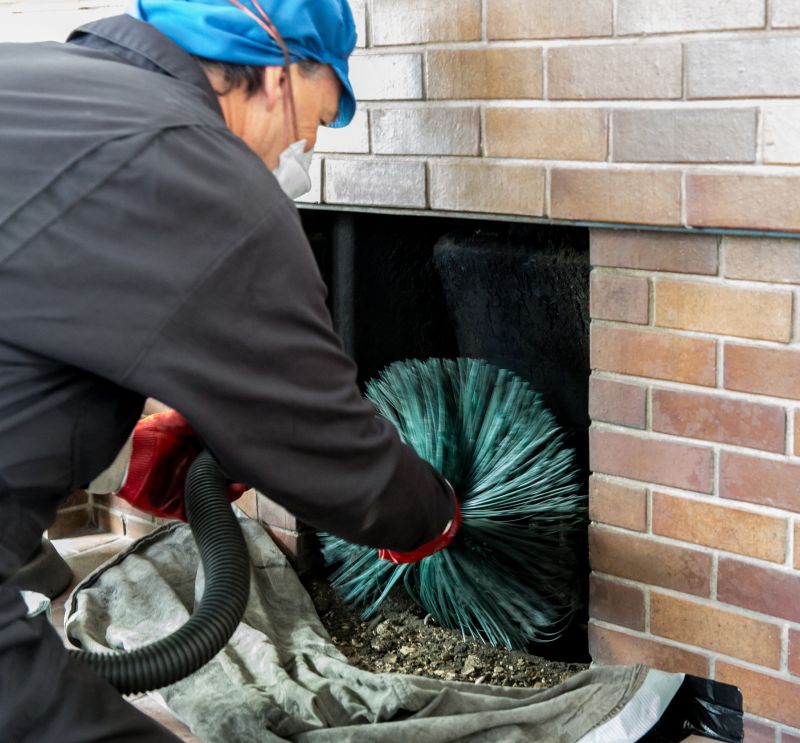
When comparing chimney removal services in Suffolk County, it’s important to consider the experience of local contractors with similar projects. Homeowners should look for service providers who have a proven track record handling chimney removal jobs comparable in scope and complexity. Asking about the types of projects they have completed can provide insight into their familiarity with the process and potential challenges, helping to ensure the selected professional is well-equipped to handle the specific needs of the home.
Clear, written expectations are essential to avoid misunderstandings and ensure the project proceeds smoothly. Homeowners should seek out local contractors who can provide detailed descriptions of the work involved, including the steps they will take, materials used, and any preparations needed. Having this information in writing helps establish a shared understanding of the scope of work and can serve as a reference throughout the project.
Reputable references and good communication are key indicators of a reliable service provider. Homeowners are encouraged to request references from previous clients who had similar chimney removal work completed. Additionally, a contractor’s responsiveness and clarity in communication can reveal their professionalism and willingness to address questions or concerns. While this site introduces homeowners to local options, it is important to independently verify each service provider’s experience, reputation, and communication style to find the best match for the project.
Property owners in Suffolk County, NY use Chimney Removal services for practical projects around their homes and businesses. This guide focuses on everyday jobs and straightforward project options.
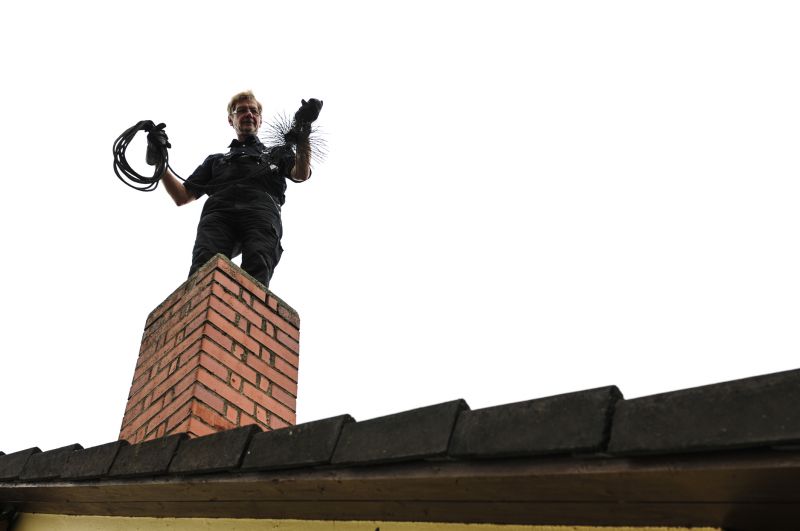
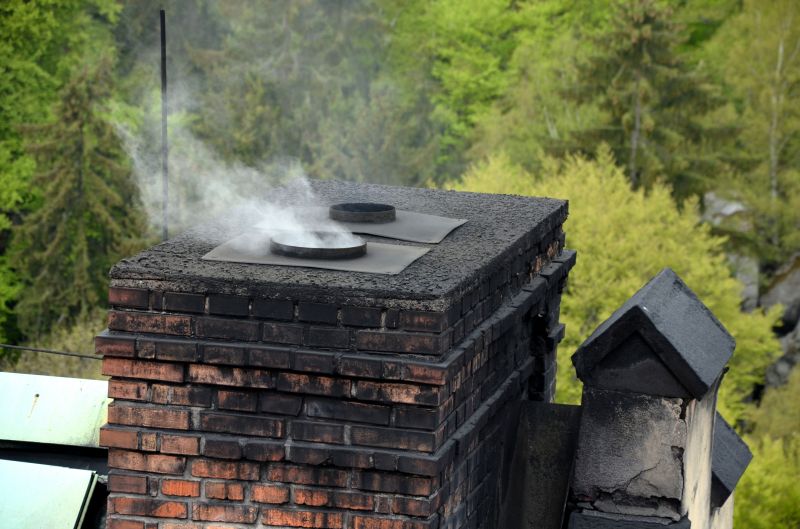
Chimney removal services are often needed when property owners in Suffolk County, NY, are renovating or updating their homes. Whether a homeowner is replacing an outdated chimney that no longer serves a purpose or removing a damaged structure that could pose safety concerns, local contractors can handle these projects efficiently. These services are also sought after when a property owner wants to clear space for new additions, such as expanding a deck or installing new windows, where an existing chimney might interfere with the design.
In some cases, property owners may consider chimney removal due to structural issues or deterioration over time, especially in older homes throughout Suffolk County. When a chimney becomes unstable or is no longer functional, local service providers can evaluate the situation and carry out the removal process safely. Additionally, homeowners planning to convert a fireplace into a different feature or eliminate an unused chimney to improve energy efficiency may turn to nearby contractors for assistance.
When is chimney removal necessary? Chimney removal may be needed if the chimney is damaged, no longer in use, or to improve the safety and appearance of a property. Consulting with local contractors can help determine if removal is appropriate.
Are there any permits required for chimney removal? Permit requirements vary by location; it’s advisable to check with local building authorities or a qualified service provider to ensure compliance before proceeding with removal.
What should I consider before removing a chimney? Factors such as the structural integrity of the remaining structure, potential impact on the home’s ventilation, and future plans for the property should be discussed with experienced contractors.
Can chimney removal be combined with other home improvements? Yes, chimney removal can often be coordinated with renovations like roofing or interior updates, but it’s best to consult with local service providers to plan the project effectively.
How do I find qualified professionals for chimney removal? To connect with reputable local contractors experienced in chimney removal, consider using a lead generation service that helps compare and contact providers in Suffolk County, NY, and nearby areas.
Chimney Removal for Renovations - When updating a fireplace or preparing a space for new construction, local contractors can safely remove unused chimneys to improve room layout.
Removing Old or Damaged Chimneys - Property owners with deteriorating chimneys can work with service providers to eliminate hazards and enhance safety.
Preparing for Roofing or Exterior Improvements - During roof replacements or exterior remodeling, chimney removal can create a cleaner, more streamlined appearance.
Converting Fireplace Spaces - Homeowners planning to repurpose fireplace areas for other uses can have local pros remove chimneys to facilitate the redesign.
If you are thinking about Chimney Removal for a property in Suffolk County, NY, this guide is meant to help you understand the work, the typical project types, and how different options might fit your plans.
When you are ready, you can use the quote form on this page to share a few details about your project. From there, local pros can review the basics and respond with options that match what you have in mind.